Conveying Essence
June 8, 2026
Much artistic discourse is just noise in my opinion, but occasionally I come across something genuinely informative. Though the tools and techniques may vary, all forms of creative expression are more similar to each other than they are different. I find I often learn the most about my photography from artists working in unfamiliar mediums, perhaps because my habitual ways of thinking about photography stop acting as filters. The techniques they discuss fall away and it becomes easier to pick out the core thing they are talking about. Also, if a photographer offers a great piece of insight, it is easy to accidentally copy what they are doing. When Rick Rubin the music producer or Rainer Maria Rilke the poet share their wisdom, I have no copy and paste option as a photographer. I then get to figure out how to bring the core thing to my work in a way that is still very much my own.
My friend and talented painter Nora Akino recently showed me this article about the painter Alex Katz. The lines that most stood out to me were: “specificity—of perception and also of the marks themselves—is everything; the generic is the enemy of art. To draw is to search for the essence of a scene, and a detail used well is a visual synecdoche, a part that can stand for the whole... The best painters first make you privy to and then allow you to forget the complex web of decisions that determined the image you’re looking at. The constructedness of it is both there and not there.”
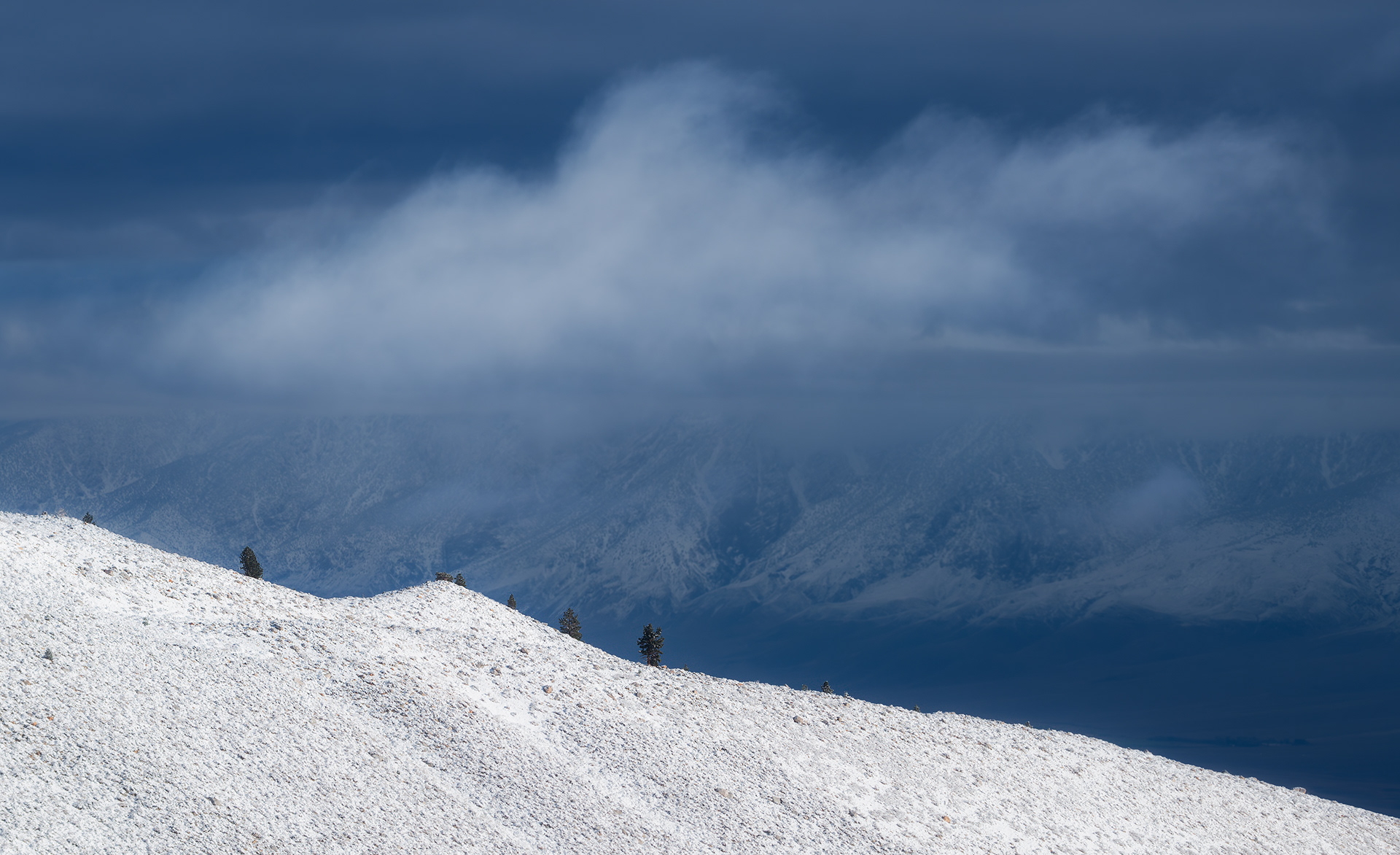
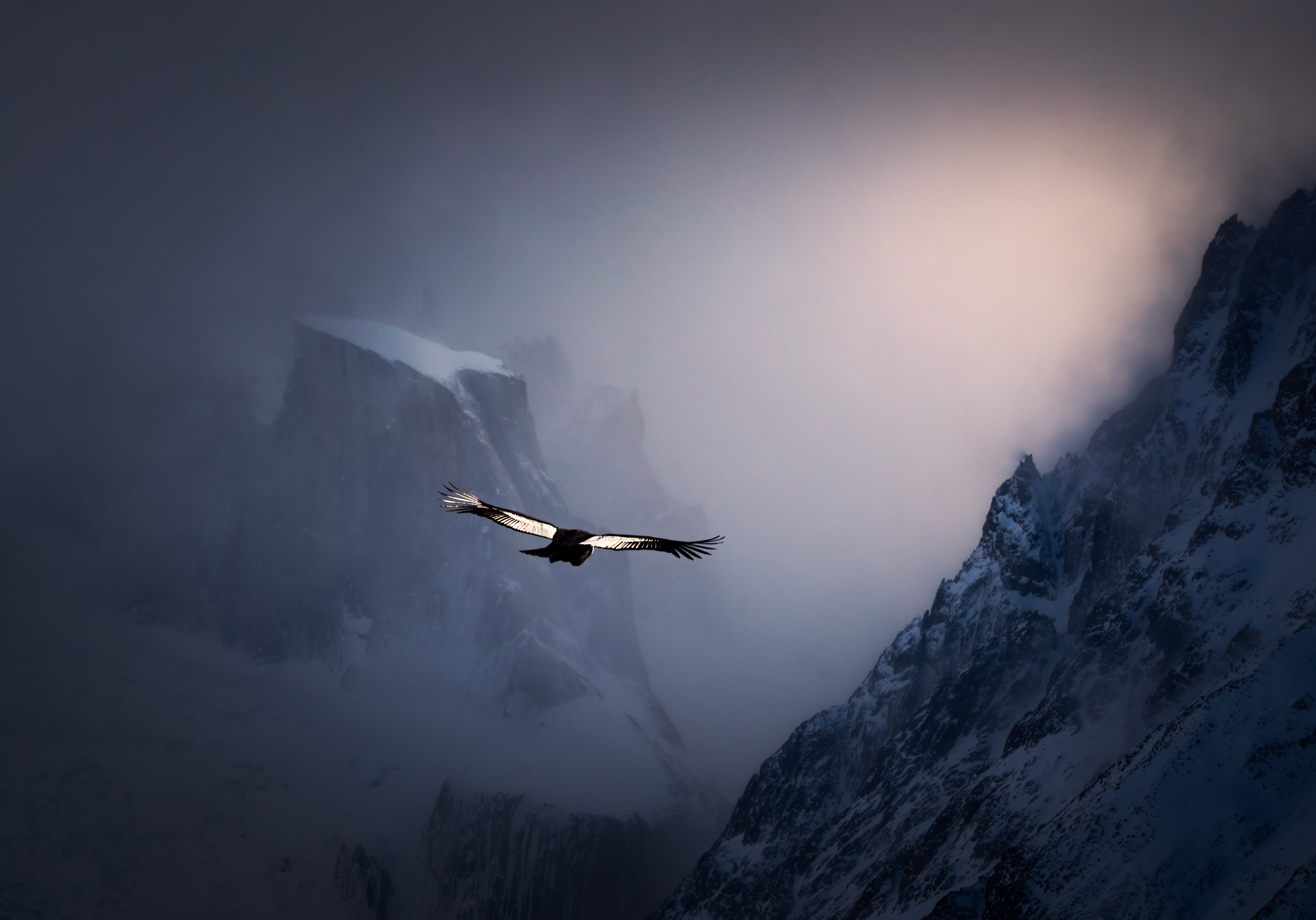
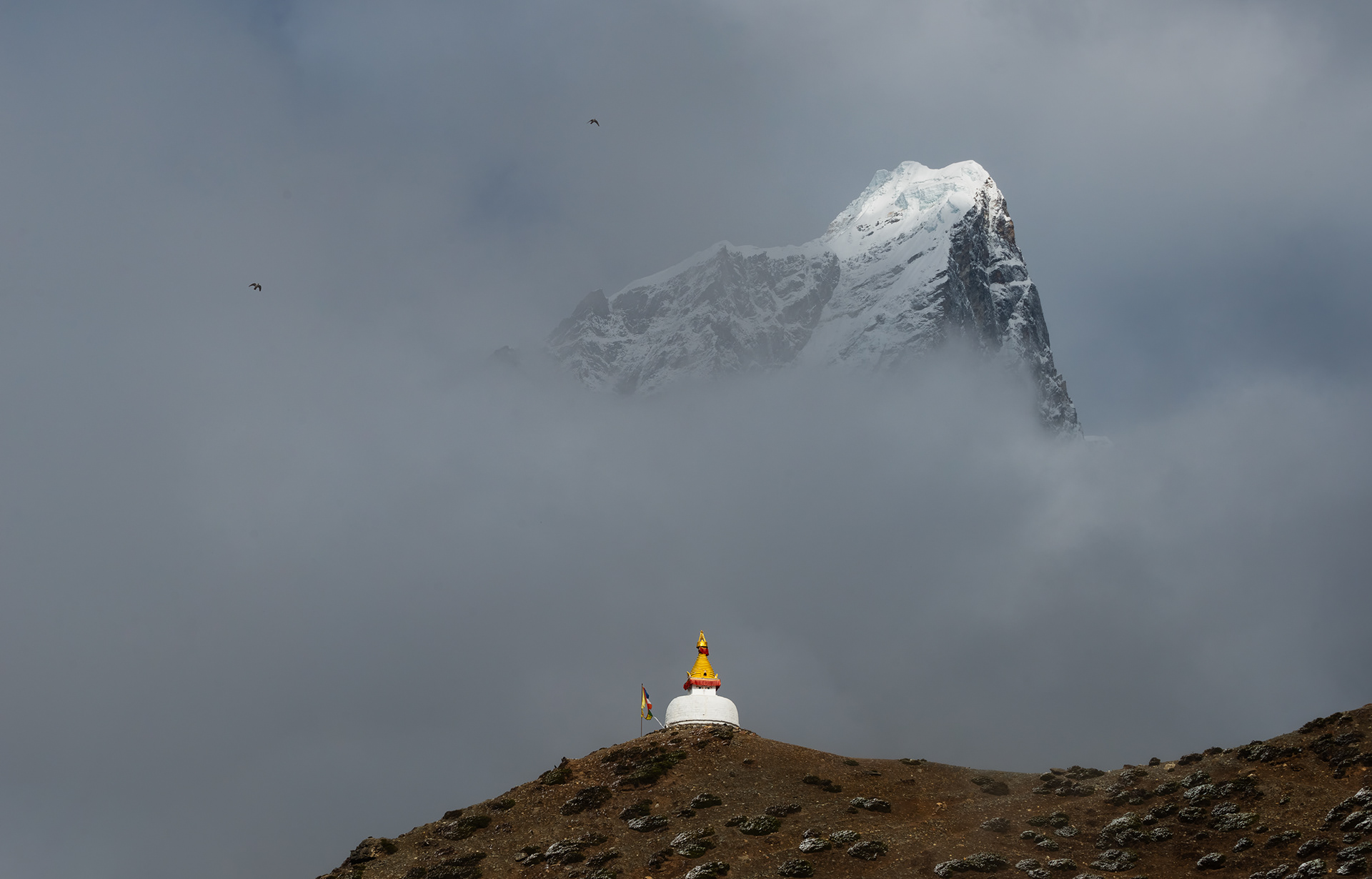
When I’m in a landscape, especially if using a long lens but even if I shoot super wide, I am necessarily making choices about what to exclude from the frame, as well as how to arrange what does make it into the frame. The landscape is vastly more complex and contains far more sensory information than could ever be included in a two dimensional visual representation of a single moment. Perfectly realistic depiction is impossible even if that was my aim. Construction is inherent. I think the excerpt above points to a way to construct an image that still faithfully conveys the essence and specificity of the place, or of my experience, by finding parts that embody or contain the whole. Finding where the whole is already showing itself.
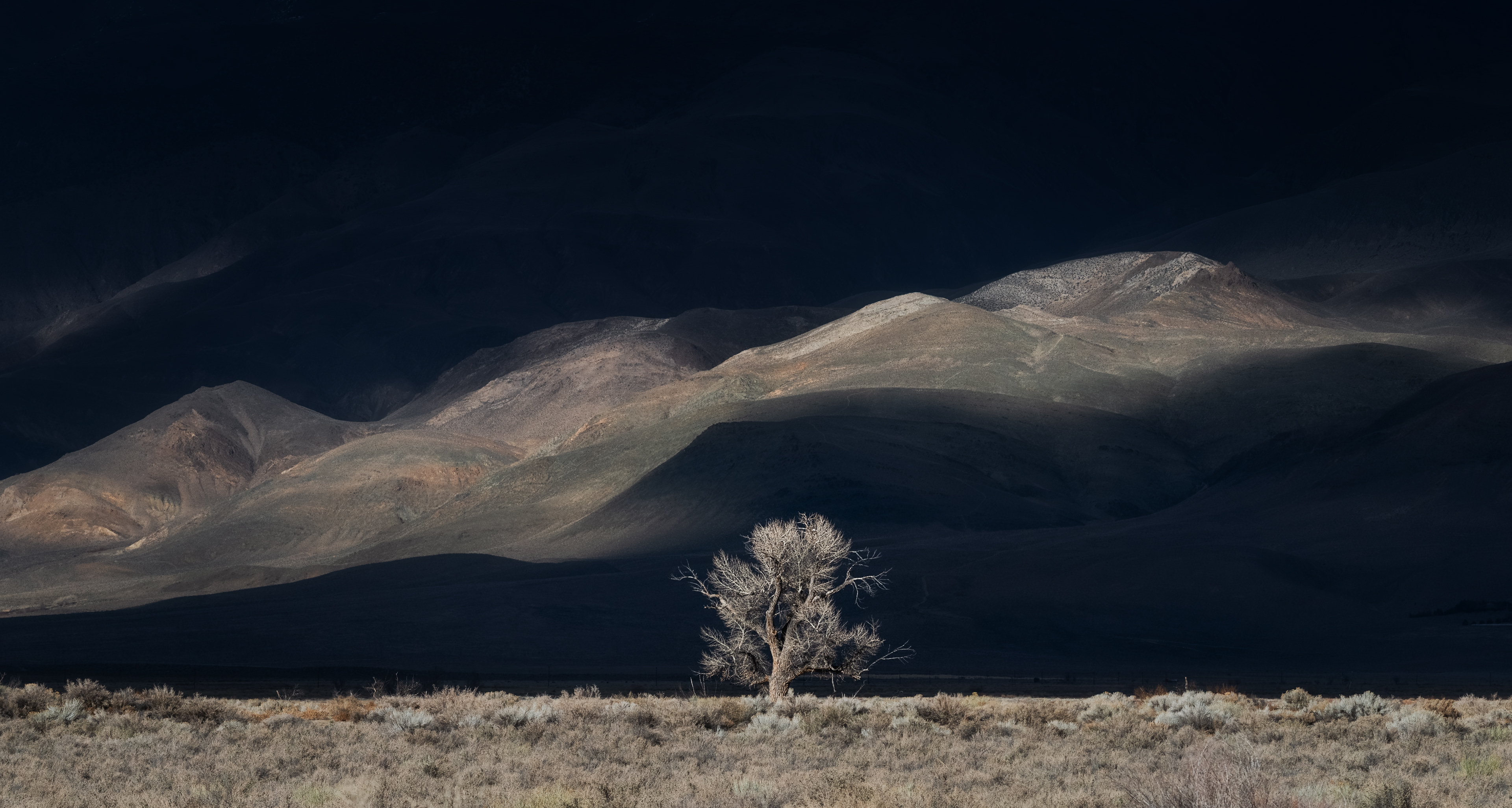
Three years ago, I wrote this essay about playing with visual polarities as proxies to convey the essence and emotional qualities of a place (and in parallel, to explore and amplify similar dynamics within myself). I suggested to “get to the location well before the interesting stuff starts happening, forget any bullshit compositional rules and other formulaic approaches, and simply become attuned with the landscape and light. Approach with an attitude of reverence. Become surrendered and impressionable. Spend weeks, months, or years there if possible. Listen carefully to whatever language the landscape happens to be speaking and let that permeate inward and offer guidance. If there is a foreground that enhances the harmony of the composition, consider including it. If there are no such foregrounds, try to find a way to remove the foreground from the composition entirely. And be decisive when hitting the shutter button. There is no need to be polite or shy when deciding how to convey a scene. Be bold enough to attempt to drill down right to the essence of the scene in a single frame.” I’m now seeing how the article Nora shared with me, especially the concept of the visual synecdoche, layers onto the same thing I've been circling for years.