

Chilean Patagonia
February 12-21, 2024
In 2020, I was planning on an extended South America adventure the summer after graduating college, but Covid obviously squashed those plans. I got a job that summer instead, worked for a year and a half, and then focused my efforts in Alaska, Canada, and Nepal since 2022. 2024 was finally the time to go meet the Andes. It’s 2026 as I’m finally getting around to writing this blog, and after spending eight months in South America over the last two years, I think it worked in my favor to have not been able to go in 2020. My time in the Andes has probably been much richer as a result of a few extra years of life experience and personal growth.
In mid-February, I flew into Punta Arenas at the bottom of Chile on a one-way ticket. Somewhere between Santiago and Punta Arenas, I started feeling the familiar excitement at the start of a big, open-ended adventure. These are some excerpts from my journaling on the flight: “Alright alright alright— i’m flying over the northern part of Patagonia right now. Let’s go. I’m here. The volcanoes we flew over earlier at sunrise were powerful. I felt that feeling coursing through my body again of glee and hyper-alert focus. Give this place all of me. Don’t mess around, don’t half ass this trip. Go all in, that’s the only way any of this is worthwhile. Treat this as though I haven’t already done stuff in Alaska/Yukon or Nepal. Go back to scratch. A comfort zone is a lovely place where things rarely grow… Let Fitz Roy and Cerro Torre and Licancabur and Jirishanca etc leave visceral impressions on me and permeate my bones. Make the most of this special window I’ve carved out for myself. Don’t fly home until I’m really satisfied… The Andes are a sufficiently large arena to play in and forge myself in. Find out more about what’s inside of me. The crux of this whole trip might just be logistics around putting enough calories in my body and moving my heavy luggage from place to place. Overall I’m in a great spot. I’ve been filling up the tank for this adventure for ~8 months since I got back from Nepal last June. I’m probably in better mountain shape than I’ve ever been (guess I’ll find out if that’s true soon)… Show 21 year old Abraham that I haven’t forgotten about his dreams. He’s the one who set this whole South America idea in motion. I’m circling back to execute on his vision bigger and better than he could have imagined… On this trip (and the rest of my life), have an action bias. Assume I can do something to improve my situation until definitively proven otherwise. Don’t let anything (myself, another person, external events) stand in the way of my aims. Simply figure it out. No resignation to any state of affairs I don’t want… A dream is nearly worthless without action, nothing more than a cute little idea. Drop in, be resourceful, and go all the way… With all that said, I think simply seeing the mountains will provide plenty of motivation and inspiration. And I already know I can push really quite far mentally. Probably the most important thing is just to take as good physical care of myself as possible. It will be so much easier and more enjoyable and sustainable (and successful in terms of photography) if I’m not in pain, hungry, or sleep deprived.”
The terrain from the plane window started getting increasingly interesting as we neared the Northern Patagonian Icefield. The fjords and glaciers coming into view looked familiar from my extensive Google Earth surveillance of this section of the continent over the last few years. We flew past Monte San Valentin, the highest mountain in Patagonia at over 13,000’, an absolute beast of a mountain considering that the surrounding terrain is nearly at sea level. As we neared the Southern Patagonian Icefield, clouds closed in and there wasn’t much to see the rest of the flight.
The terrain from the plane window started getting increasingly interesting as we neared the Northern Patagonian Icefield. The fjords and glaciers coming into view looked familiar from my extensive Google Earth surveillance of this section of the continent over the last few years. We flew past Monte San Valentin, the highest mountain in Patagonia at over 13,000’, an absolute beast of a mountain considering that the surrounding terrain is nearly at sea level. As we neared the Southern Patagonian Icefield, clouds closed in and there wasn’t much to see the rest of the flight.
My plan was to meet up with my friend Anthony’s parents who happened to be landing in Punta Arenas just a few hours after me that same day. Anthony was in the middle of an awesome trip from California to Ushuaia and most of the way back by any means other than flying— including walking, hitchhiking, buses, trains, a sailboat, and a crossing of the Darien Gap via a small motorboat he managed to locate in a port in Panama. He was also my hitchhiking inspiration throughout my South America adventures. He was currently in Torres del Paine where his parents were going to meet him, and they kindly offered to drive me into the park from Punta Arenas. I enjoyed my first South American bivy by the airport entrance waiting for them to land.
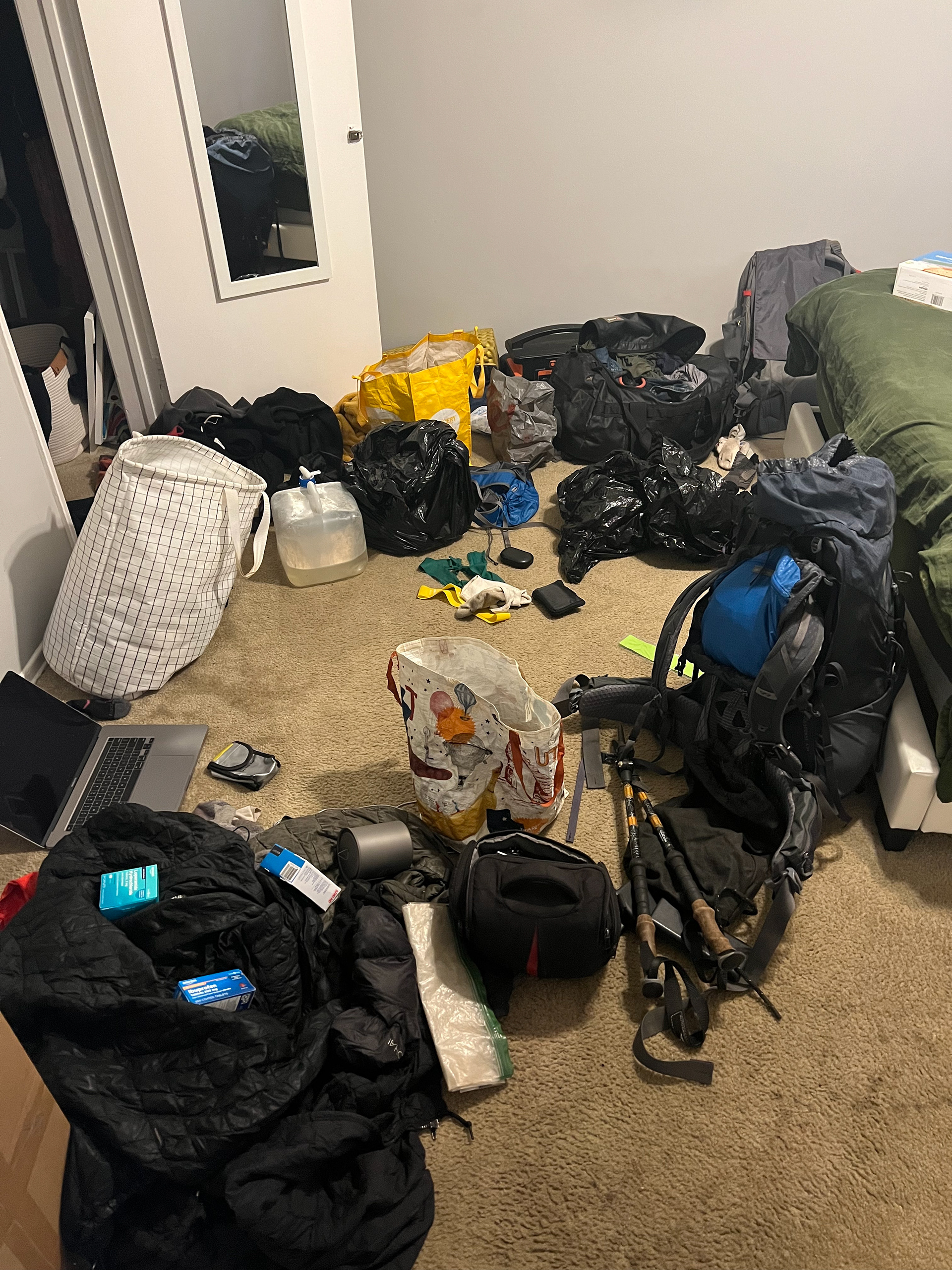
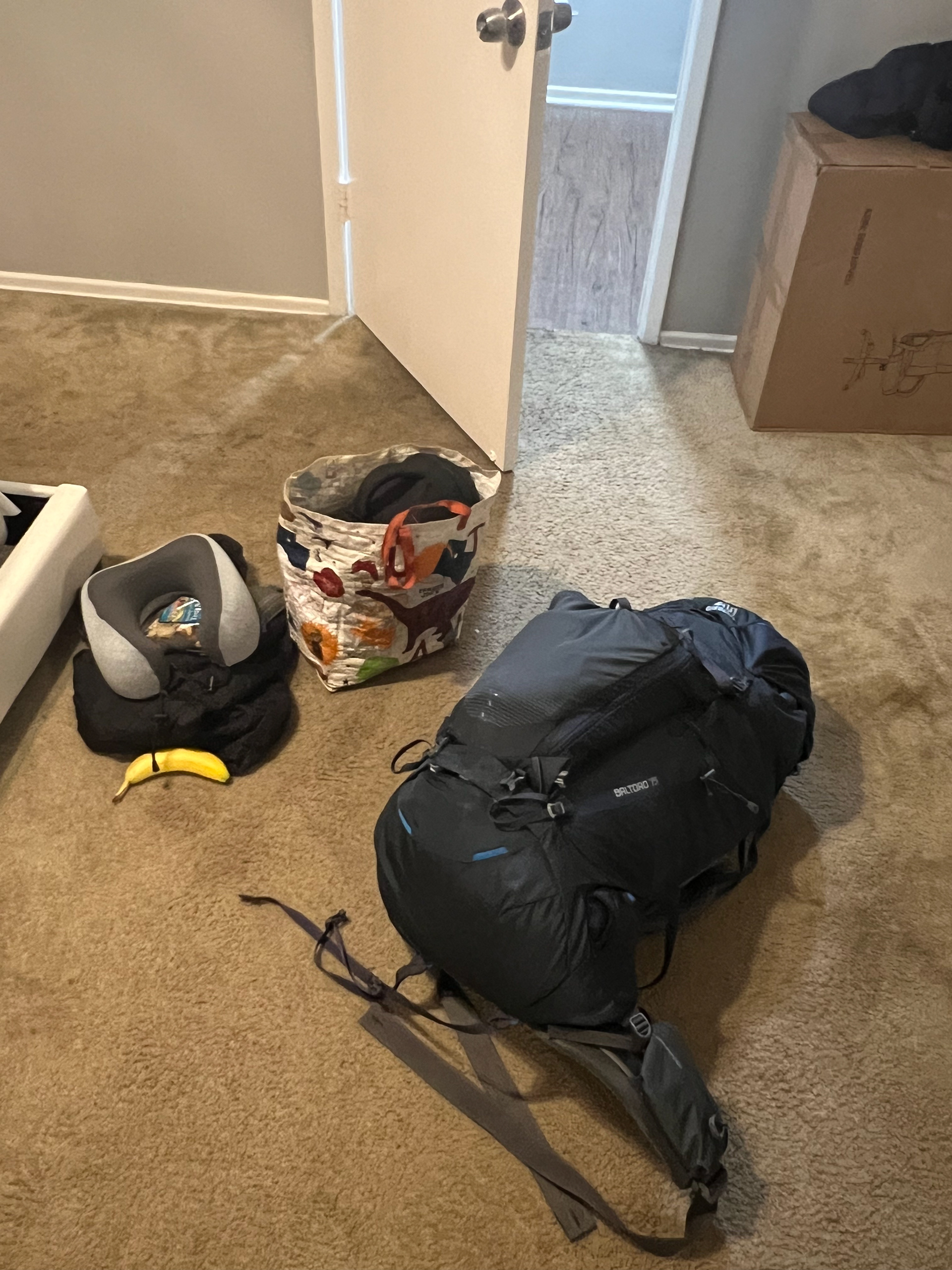
before/after packing my bags in my dear friend Rachel's apartment
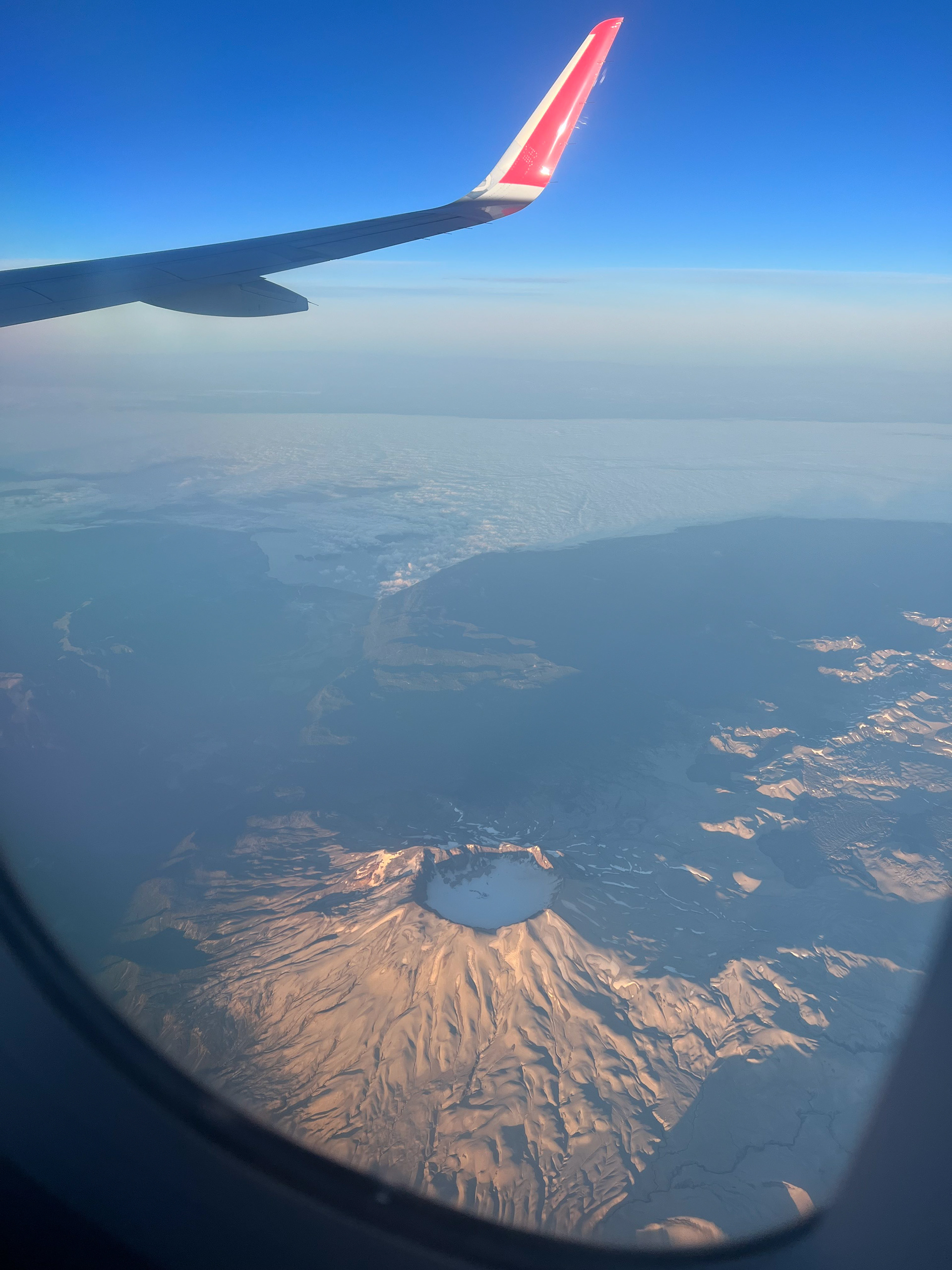
one of countless Chilean volcanoes
Campo Hielo Norte
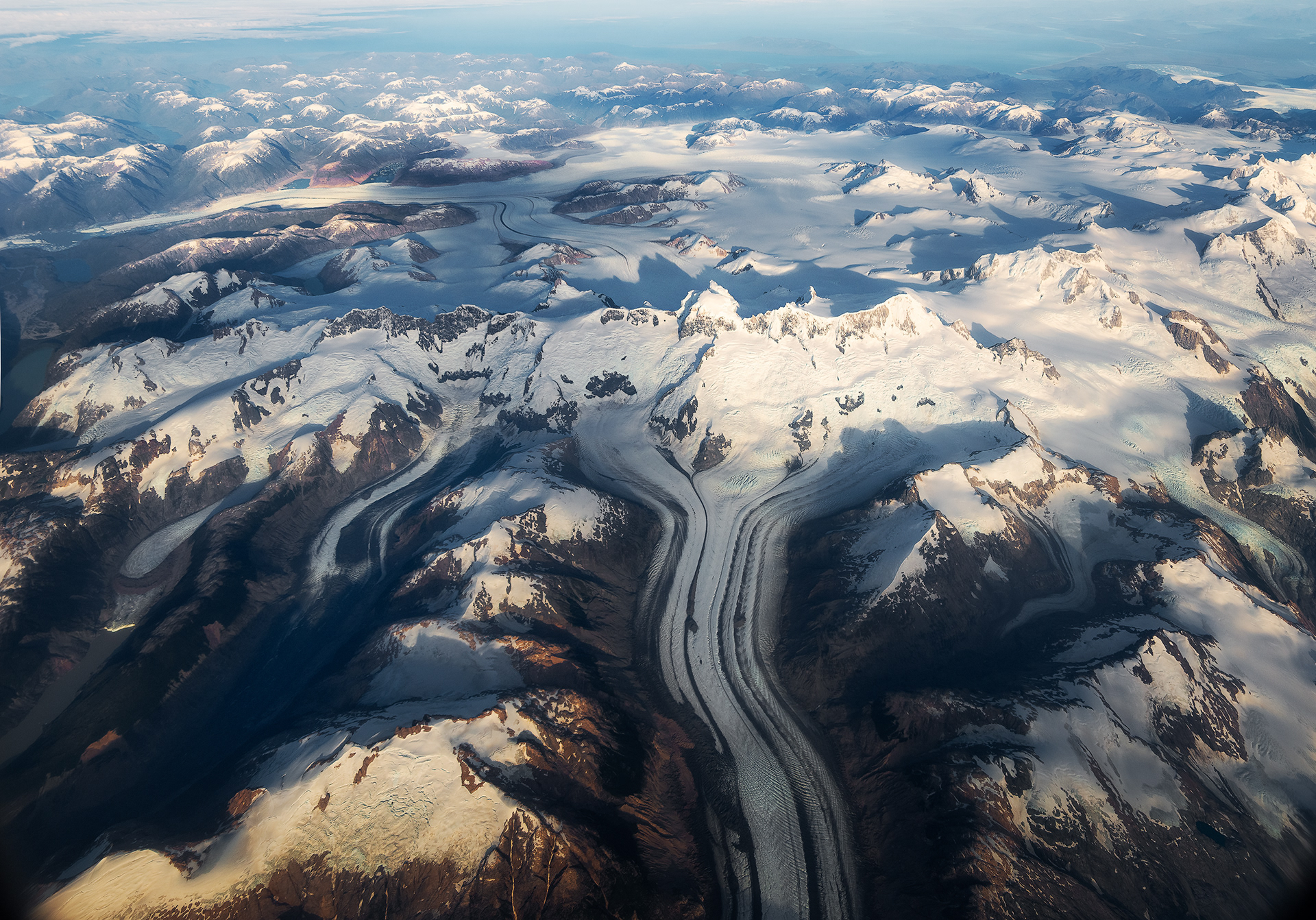
Campo Hielo Norte
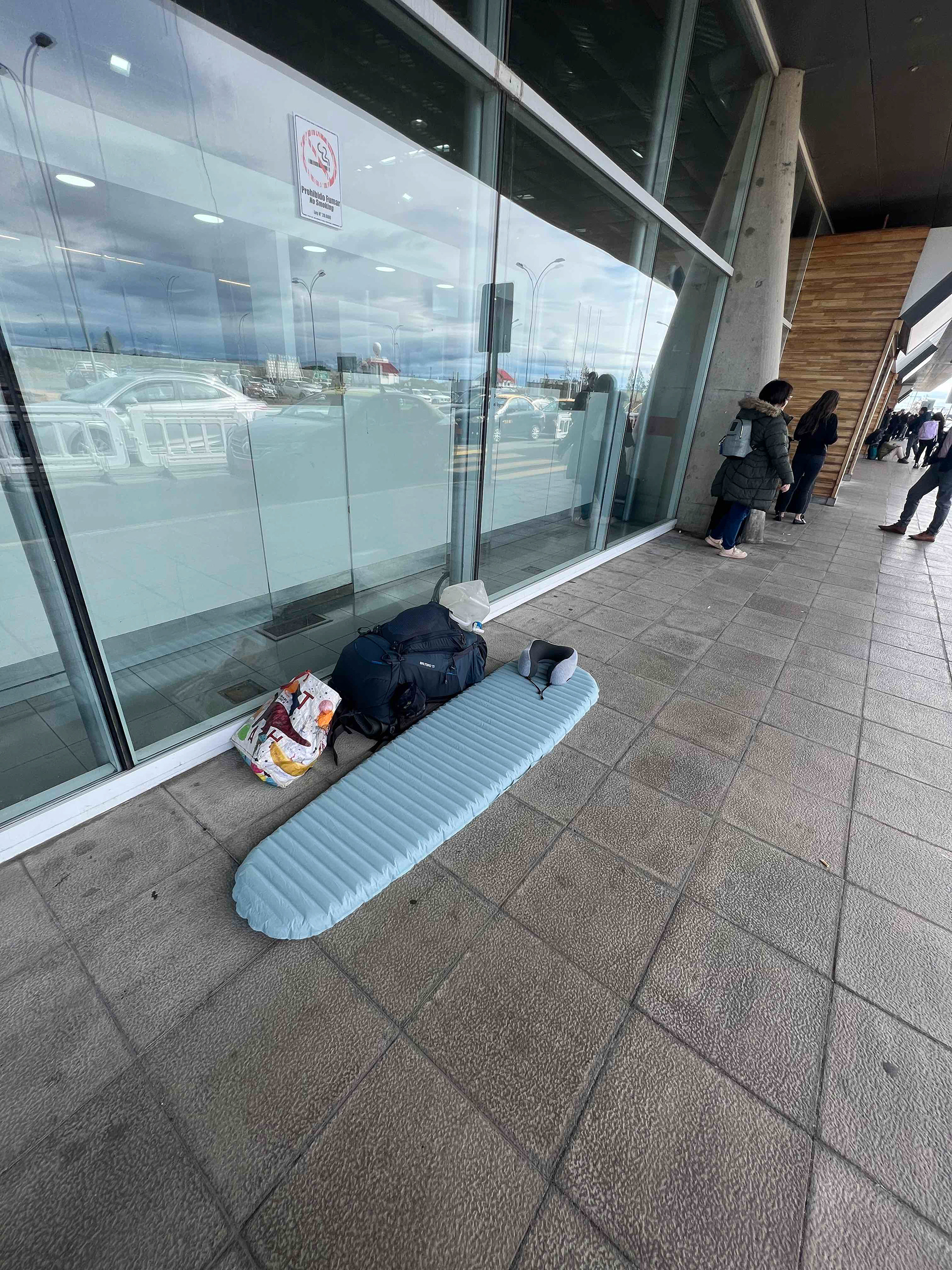
first South American bivy
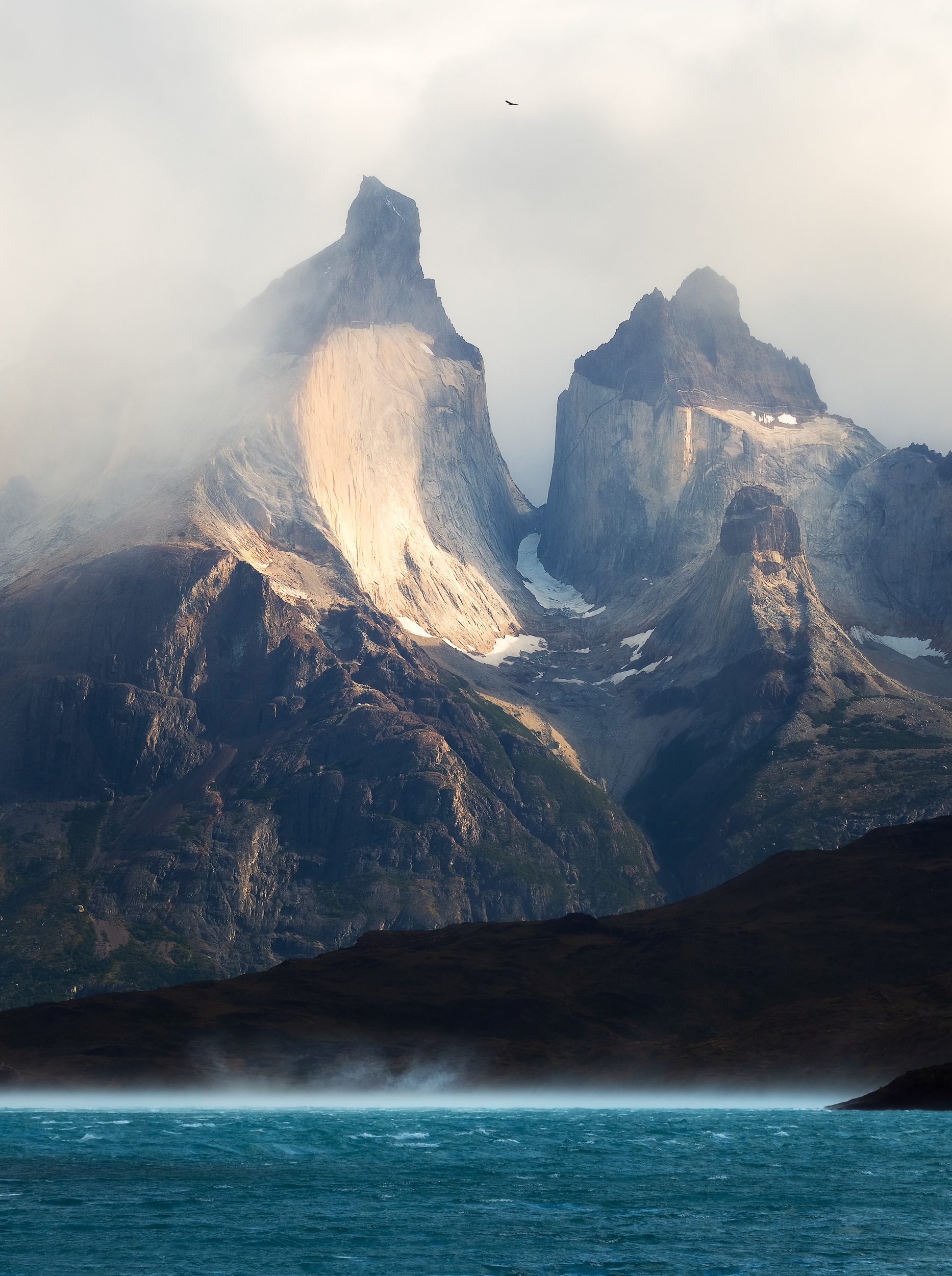
My experience of Torres del Paine was similar to Yosemite: world-class beauty saturated by tourism. The whole place felt like a theme park. There are strict regulations, enforced by steep fines, about where you can camp and what times of day you are allowed to hike. All the designated campsites near the Paine Massif fill up months in advance. Some of the most interesting areas like Valle Bader and Valle del Silencio were entirely off limits, presumably because they are too rugged and difficult for the average city-dweller to reach to be exploited for profit. The popular W and O treks didn't seem terribly worthwhile to me, covering terrain no more impressive than plenty of other stuff around Patagonia devoid of pesky human infrastructure. I did begrudgingly book a road-accessible campground by Lago Pehoé for six nights. Most of my time in the park was spent near the campground waiting for interesting conditions on the iconic Cuernos across the lake.
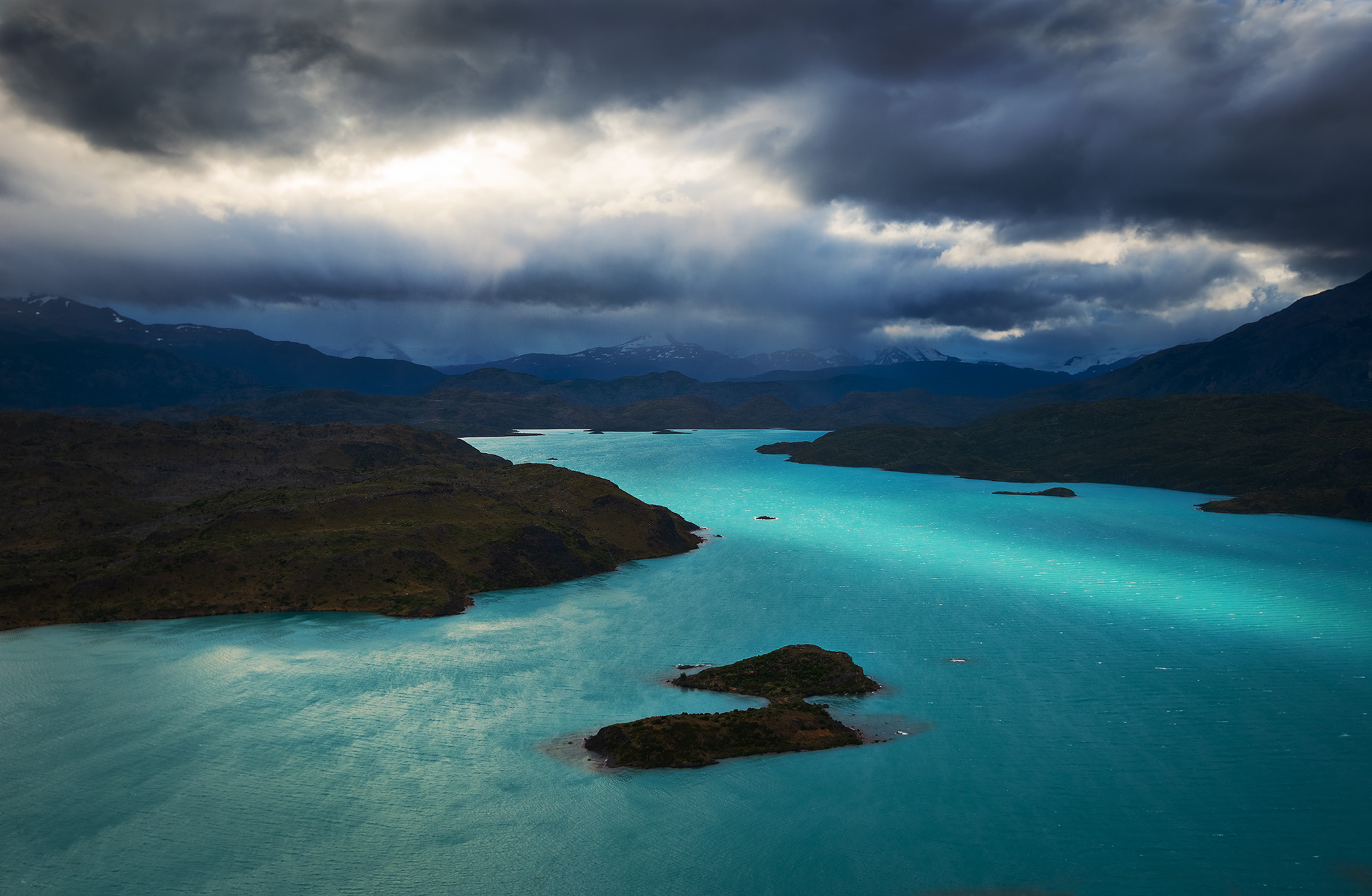
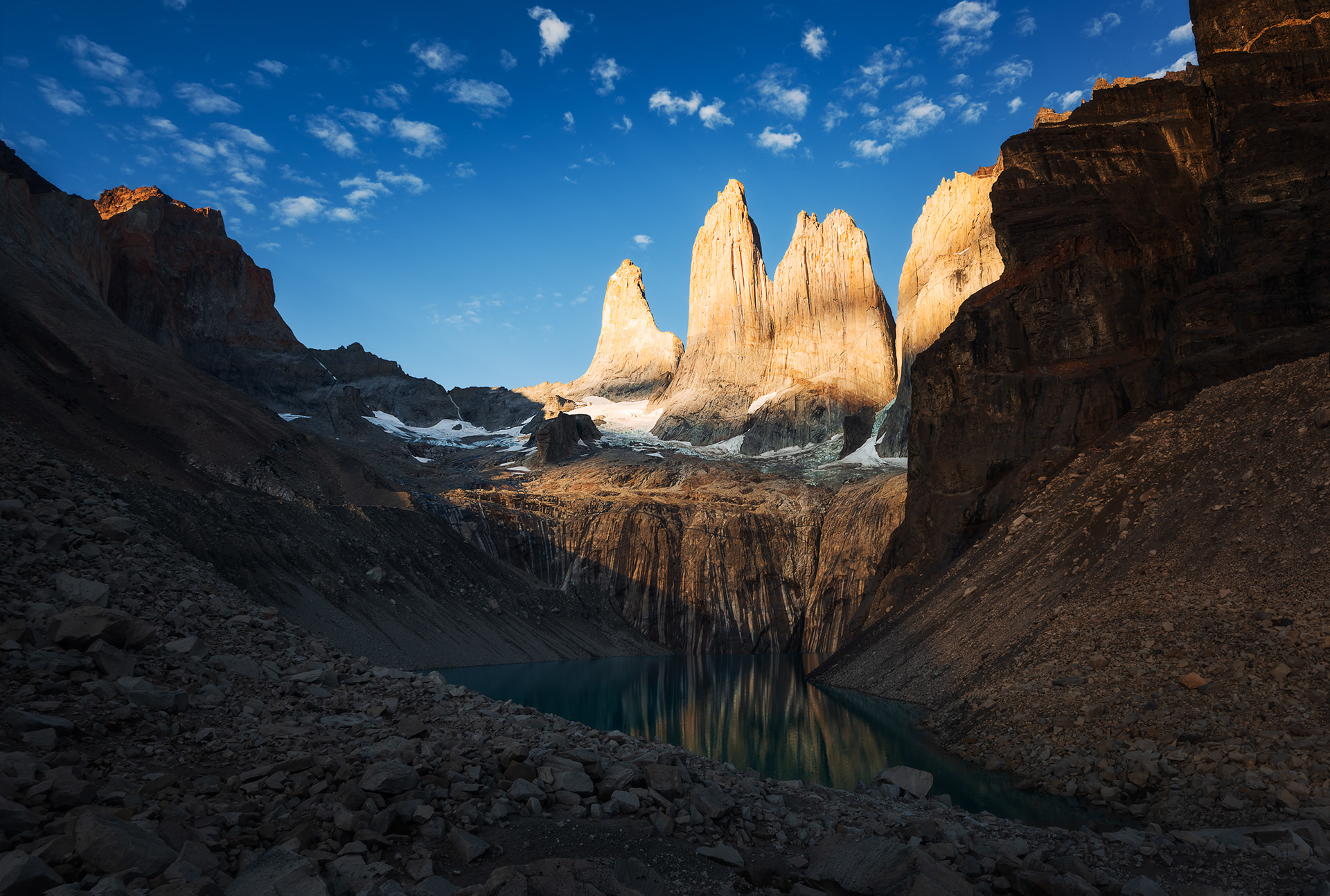
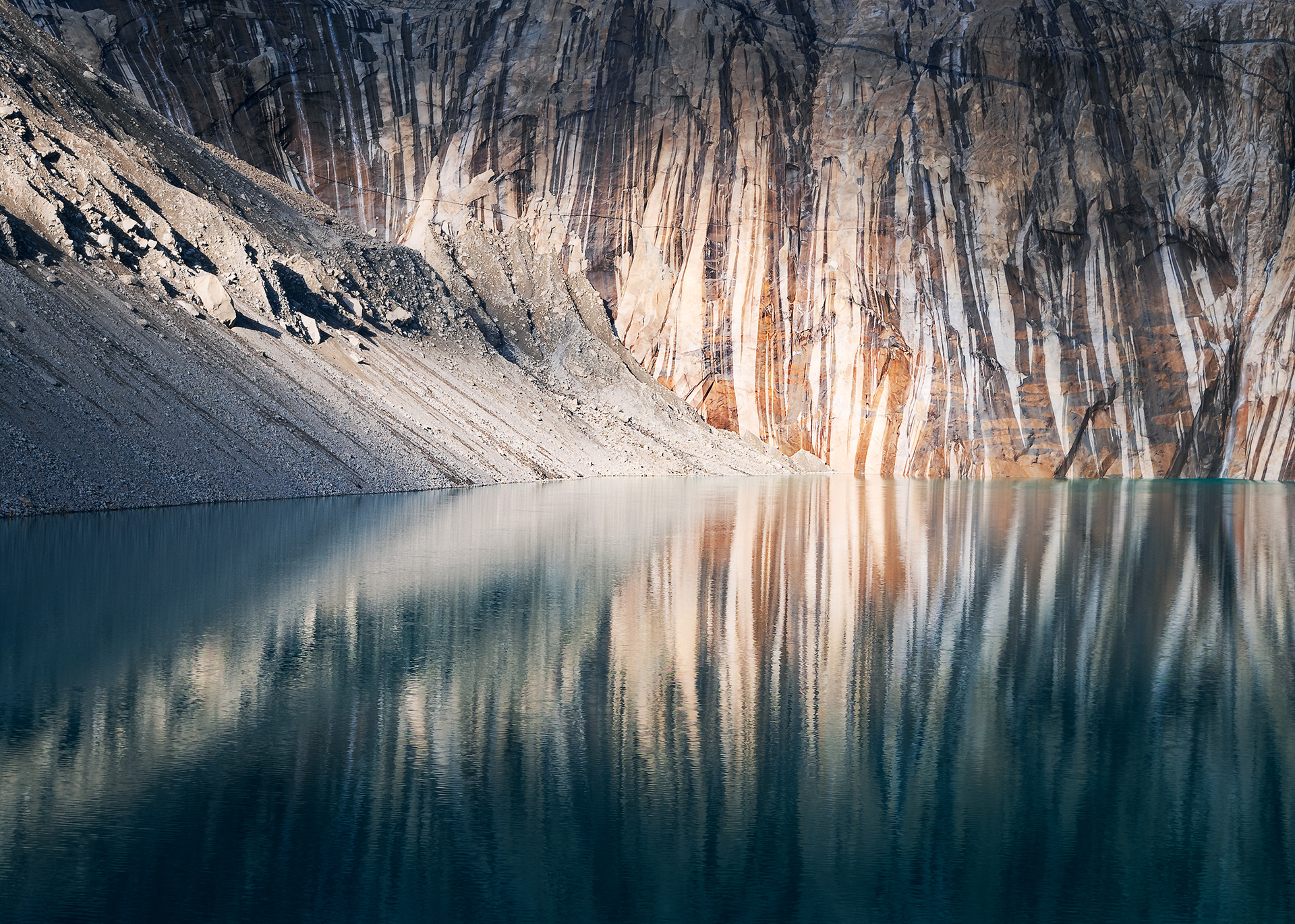
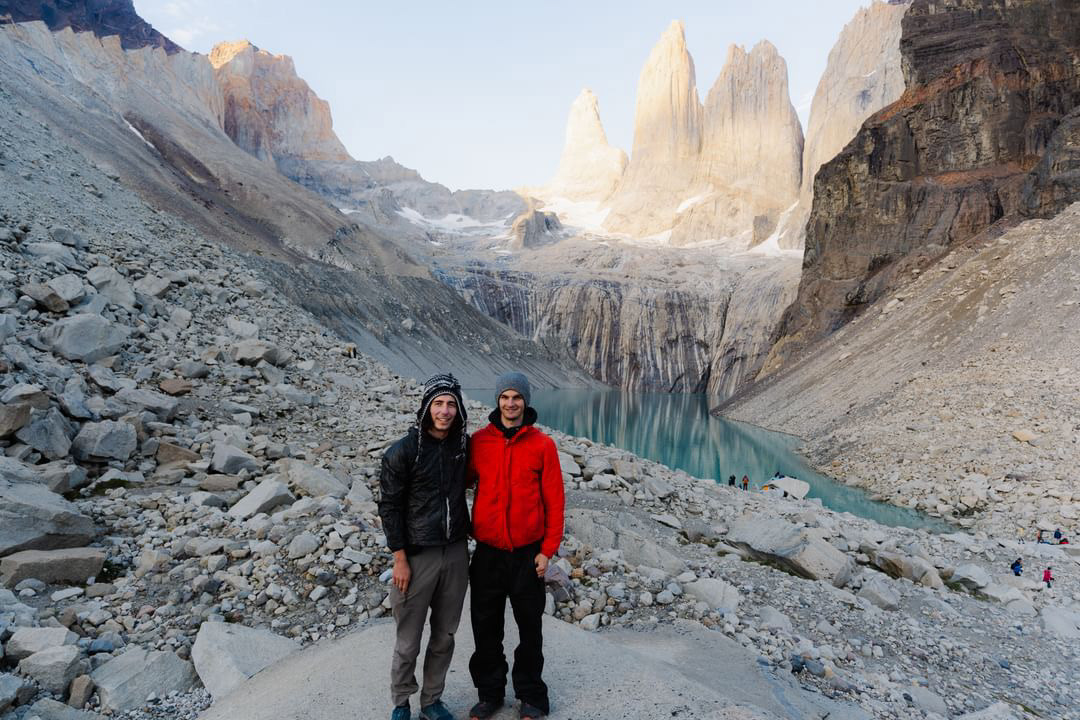
I wanted to go to Lago Torres at least once for sunrise, but being in the park without a car combined with the imposed restrictions made this more complicated than a twelve mile hike on a well-trodden trail has any right to be. One afternoon, the sunrise forecast looked decent for the following day, so I hitchhiked with some friendly German girls from Lago Pehoé to the visitor center on the other side of the park. From there, a dirt road leads about five miles to some designated campgrounds (where I had no reservation) and glamping domes by the trailhead to Lago Torres. I was unable to hitchhike this section as it was late in the day and very few cars were driving this direction. I arrived at a gated checkpoint and waited for an hour until it got completely dark before bushwhacking my way up a nearby hillside and hopped a barbed wire fence to bypass the gated area. From there I walked over to the campground used by the trekkers on the W and O circuits and stealth bivied for a couple hours before waking up at 2am to start the hike. The hike was crowded but uneventful. I got to the lake well before sunrise and set up my composition as throngs of people kept arriving. Anthony’s family was hiking there this same morning, and Anthony, being an absolute savage, showed up not long after me and found me on the rocks despite leaving from the trailhead much later. The sunrise was uninteresting but the sun broke through the clouds slightly later in the morning, spotlighting different parts of the landscape as the clouds blew through. I walked back to the road with Anthony and his brother Conor, feeling quite exhausted mostly due to sleep deprivation and annoying logistics rather than the hike itself.
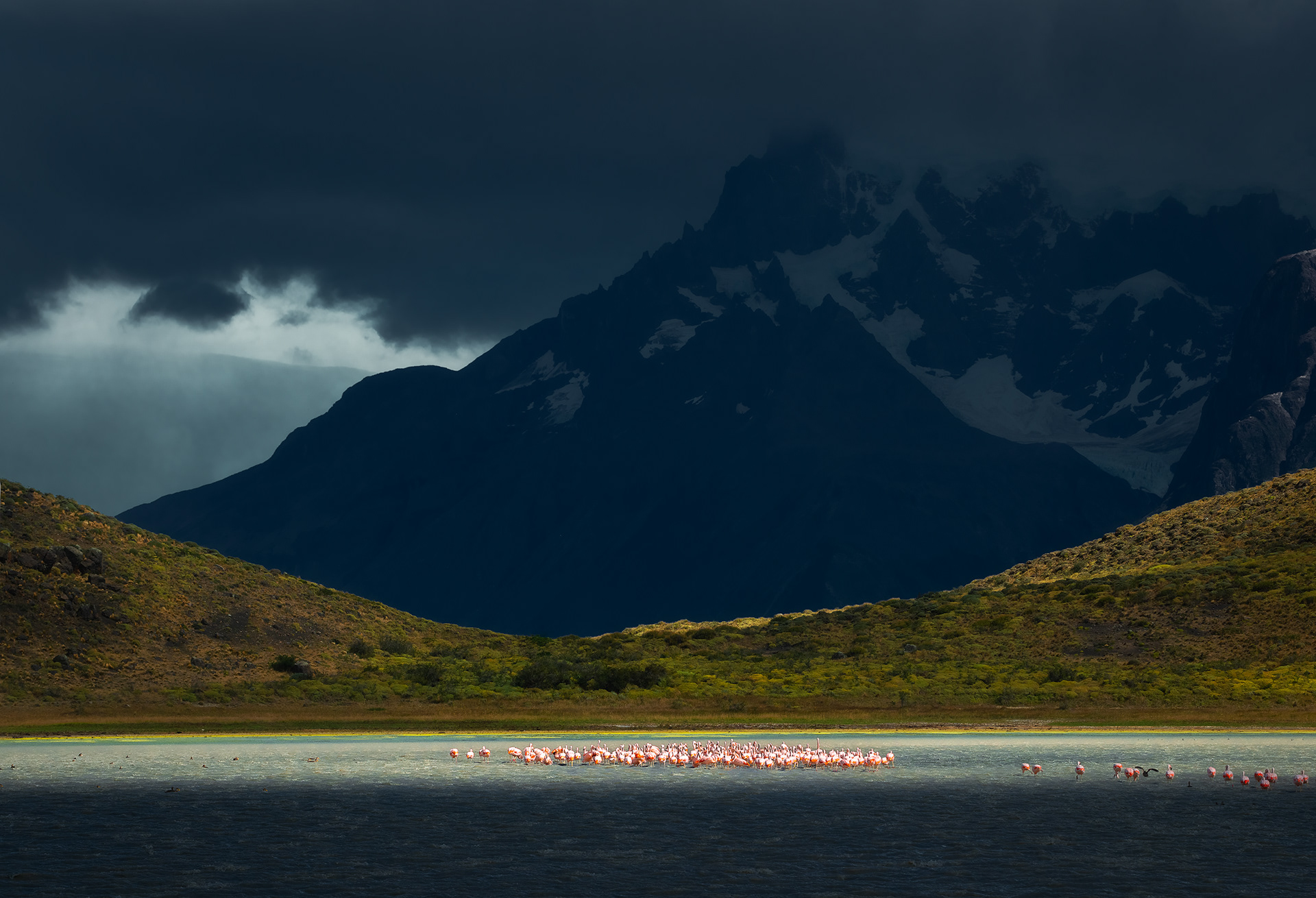
On my last day in the park, I hitchhiked to a lagoon the German girls had shown me where flamingos live. I believe they are the same flamingos that live in the Atacama, migrating back and forth from Patagonia each year. I had a lovely afternoon sitting on the edge of the lagoon, eating trailmix, and observing the flamingos. When a spell of fierce wind blew through, they’d stop what they were doing and huddle together. Then when the wind died down, they’d spread out again and resume sticking their heads below the water searching for food. After a few hours with the flamingos, I hitchhiked to a bus stop in the park and got on a bus to the town of Puerto Natales.
My next stop was El Chaltén, but I was feeling exhausted from all the recent travel logistics. The past month or two had included bouncing from the Eastern Sierra to Arizona to Los Angeles to Chicago to Los Angeles to the bottom of South America. I decided a couple days in a real bed doing nothing would be good for me and found a hostel in Puerto Natales.
I had been trying to figure out a way to get to the Fiordo de las Montañas in the Cordillera Sarmiento range. It’s in a remote part of the Chilean fjords only accessible by boat. Well-known photographer Marc Adamus runs workshops out there and charges clients about $20,000. A few months before, I tracked down and contacted the owner of the boat company he partners with, and the owner refused to drop me off out there, and said even if I wanted to go out there and sleep on the boat rather than camp in the mountains, it would cost me $4,000/day to hire the boat and a captain. So that was obviously not happening.
I had been trying to figure out a way to get to the Fiordo de las Montañas in the Cordillera Sarmiento range. It’s in a remote part of the Chilean fjords only accessible by boat. Well-known photographer Marc Adamus runs workshops out there and charges clients about $20,000. A few months before, I tracked down and contacted the owner of the boat company he partners with, and the owner refused to drop me off out there, and said even if I wanted to go out there and sleep on the boat rather than camp in the mountains, it would cost me $4,000/day to hire the boat and a captain. So that was obviously not happening.
Eduardo, the owner of the hostel where I stayed, was a climber and I enjoyed talking to him a bit in broken Spanglish. I mentioned the Cordillera Sarmiento and his eyes lit up. He seemed surprised a gringo had ever heard of the place and said it was a dream of his to go there too. I asked him if he knew of anybody in town with a boat, and he said maybe and called up his friend. I couldn’t follow their conversation, but he got off the phone and told me his friends were sailing there soon, maybe in a week, maybe in two weeks, or maybe not all, más o menos. I tried unsuccessfully to get more clarity from Eduardo on who these people were, when they were going, where they were going, how long they’d be going for, whether they spoke any English, how much it would cost me to join, and plenty of other pertinent details I was keen on understanding before entrusting my life to these strangers. It seemed silly to wait around for a couple weeks on a hope and a prayer instead of going to El Chaltén where glorious and logistically-easy adventure awaited, so a couple days later I got on a bus north into Argentina. As it turns out, Eduardo texted me two weeks later and said his friends were taking a boat into the fjords the next day. I tried calling him and texting him with no further reply. Perhaps I missed out on the adventure of a lifetime.
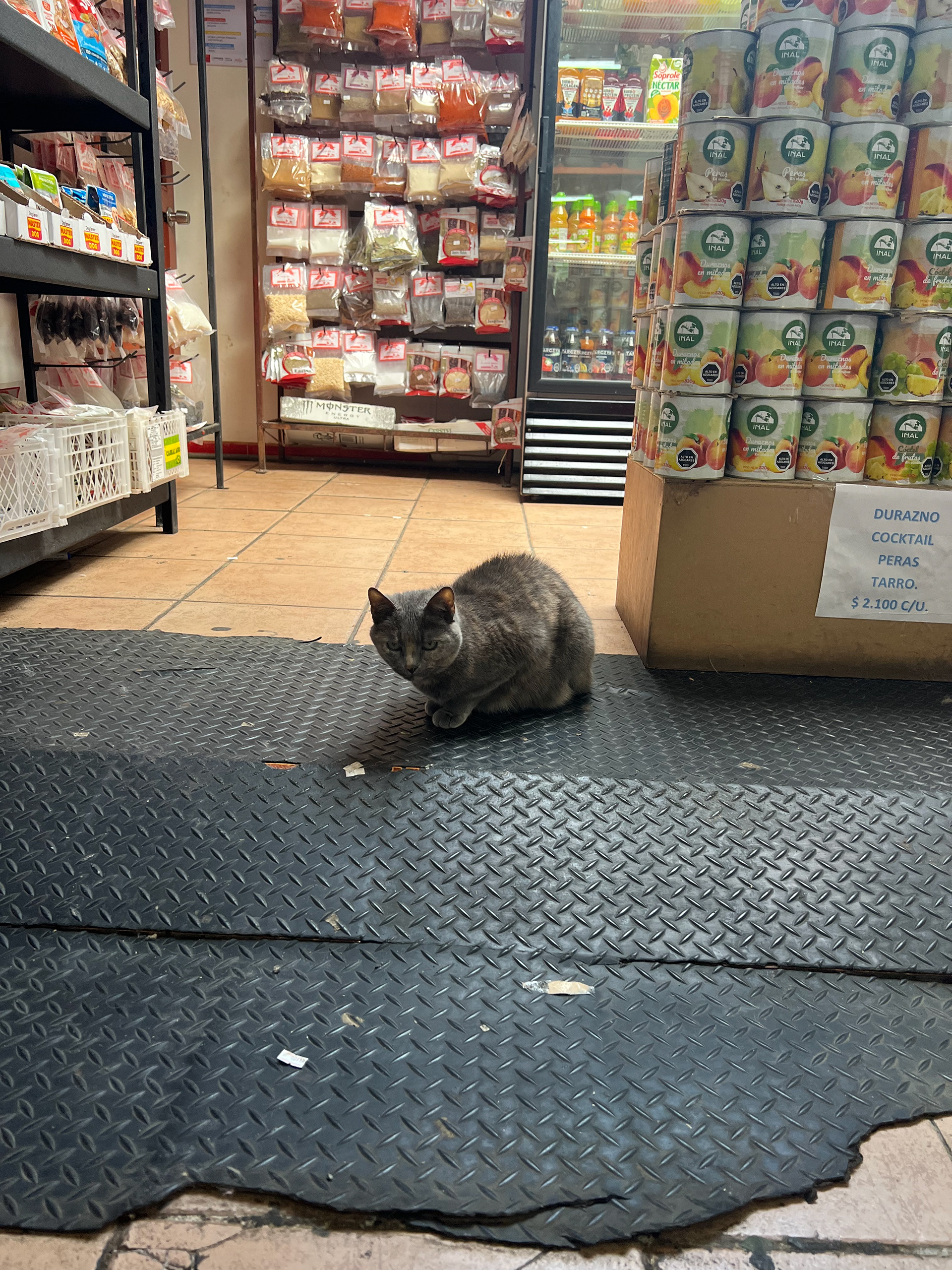
Puerto Natales supermarket cat